Your Trusted 24 Hours Service Provider!


-
 Call Us+86-158-0331-9351
 -
 Emailcarrie@sinopulse.cn
 -
 AddressHandan City, Hebei , China
disconnect hydraulic hose
In the intricate ecosystem of hydraulic systems, hydraulic hose cleaning is the unsung practice that safeguards equipment reliability and operational efficiency. As a leading hydraulic hose manufacturer , SINOPULSE understands that contamination in hydraulic hoses can lead to reduced performance, costly breakdowns, and even safety hazards. This comprehensive guide unveils the critical steps and techniques to maintain your hoses, ensuring they continue to deliver optimal performance across diverse industrial applications. 1. The Imperative of Hydraulic Hose Cleaning Contamination within hydraulic hoses poses a silent threat to system integrity. Even minor debris or fluid degradation can: Impair Fluid Flow: Particles as small as 20 microns can restrict hydraulic fluid movement, leading to pressure drops and reduced machinery efficiency. Accelerate Wear: Abrasive contaminants cause internal erosion of the hose’s inner tube, compromising its resistance to high pressure and shortening lifespan. Trigger System Failure: Contaminated hoses may lead to valve sticking, cylinder wear, or pump damage, resulting in unplanned downtime. Regular cleaning is not just maintenance—it’s a strategic investment in extending the life of your types of hydraulic hose and preventing costly repairs. 2. Preparations before Hydraulic Hose Cleaning: Laying the Foundation for Effective Cleaning a. System Disconnection and Fluid Drainage Isolate the Hose: Shut down the hydraulic system and relieve residual pressure to prevent accidental fluid release. Disconnect the hose from fittings, noting their orientation for precise reinstallation. Drain Hydraulic Fluid: Use a certified container to collect drained fluid, checking for signs of contamination (cloudiness, particulate matter) that may indicate deeper issues. b. Protective Gear and Cleaning Agents Safety First: Wear chemical-resistant gloves, goggles, and overalls to protect against hydraulic fluid splashes or cleaning agent exposure. Choose the Right Cleaner: For custom hydraulic hoses with synthetic rubber inner tubes, opt for pH-neutral, biodegradable detergents to avoid material degradation. Thermoplastic hoses may require specialized cleaners that resist melting or embrittlement. 3. Proven Cleaning Techniques for Hydraulic Hoses a. Comprehensive System Flush (Whole Hose Dismantling) Ideal for deep contamination in high-pressure systems: Dismantle the Hose: Remove the hose from the system, ensuring all fittings are stored safely to prevent thread damage. Internal Debris Removal: Use compressed air (rated at 80–100 PSI) to blow out dust and loose particles from the inner bore, directing the airflow from end to end. External Scrubbing: Dip a non-abrasive brush into a detergent solution, gently scrubbing the outer cover to remove oil deposits, dirt, and UV-induced residue. Rinse and Dry: Flush the inner tube with clean hydraulic fluid (or water for non-oil systems) and use low-pressure air to dry thoroughly, preventing moisture buildup. Advantage: Thorough cleaning of both inner and outer layers. Drawback: Time-consuming disassembly required for types of hydraulic hose in complex setups. b. Surface Cleaning Method (On-Site Maintenance) Suitable for routine cleaning of lightly soiled hoses: Spot Treatment: Apply a mild detergent solution to a soft bristle brush, gently scrubbing visible contaminants on the outer cover. Soak and Rinse: For stubborn grime, wrap the hose in a detergent-soaked cloth for 15–20 minutes, then rinse with lukewarm water to remove residues. Air Drying:Use a low-pressure air stream to evaporate moisture, especially in crevices near fittings. Advantage: No disassembly needed, ideal for hydraulic hose service in mobile equipment. Limitation: Does not address internal contamination. c. Chemical Flushing (Deep Contamination Remediation) Recommended for systems with persistent contamination: Pre-Flush with Solvent: Circulate a specialized hydraulic system flushing fluid (compatible with hose materials) through the hose at low pressure (50–100 PSI) for 30 minutes. Detergent Soak: Introduce a chemical cleaning agent designed for hose materials, allowing it to circulate for 1–2 hours to break down deposits. Rinse and Dry: Flush with clean fluid until the effluent runs clear, then use dry, oil-free compressed air to ensure no moisture remains. Key Caution: Always verify that the cleaning agent is compatible with your hose’s inner tube material (e.g., NBR, PTFE, or FKM) to avoid chemical degradation. 4. Critical Considerations for Effective Hydraulic Hose Cleaning a. Scheduled Maintenance Regimens Frequency Guidelines: High-pressure systems (e.g., construction machinery): Clean every 500 operating hours. Medium-duty applications (e.g., agricultural equipment): Quarterly inspections with annual deep cleaning. Condition-Based Cleaning: If fluid analysis reveals particle counts exceeding ISO 4406:2007 code 18/16/13, initiate immediate cleaning. b. Material Compatibility Checks Inner Tube Caution: PTFE-lined hoses require non-abrasive cleaners, while EPDM-rubber hoses may tolerate mild alkaline solutions. Reinforcement Protection: Avoid high-pressure water jets on braided steel layers, as they can dislodge wire strands and compromise pressure resistance. c. Post-Cleaning Validation Visual Inspection: Examine the hose for cracks, swelling, or discoloration that may indicate cleaning agent damage. Pressure Testing: Reinstall the hose and subject it to 1.5x its working pressure for 30 minutes to ensure no leaks or structural weaknesses. Maintaining hydraulic hoses is a cornerstone of efficient hydraulic system operation. By integrating proper hydraulic hose cleaning techniques into your maintenance schedule, you protect your investment in types of hydraulic hose and ensure seamless performance across construction, mining, or industrial applications. As a trusted hydraulic hose manufacturer , SINOPULSE offers expert guidance on cleaning protocols tailored to your specific hose type—whether standard designs or custom hydraulic hoses . Prioritize cleanliness, and your hydraulic systems will reward you with prolonged lifespan, reduced downtime, and optimized productivity. Ready to enhance your maintenance routine? Contact us for personalized cleaning recommendations and explore our range of high-performance hoses designed to withstand the rigors of industrial use. Clean hoses mean clean performance—start your maintenance journey today.
WHAT WE DO
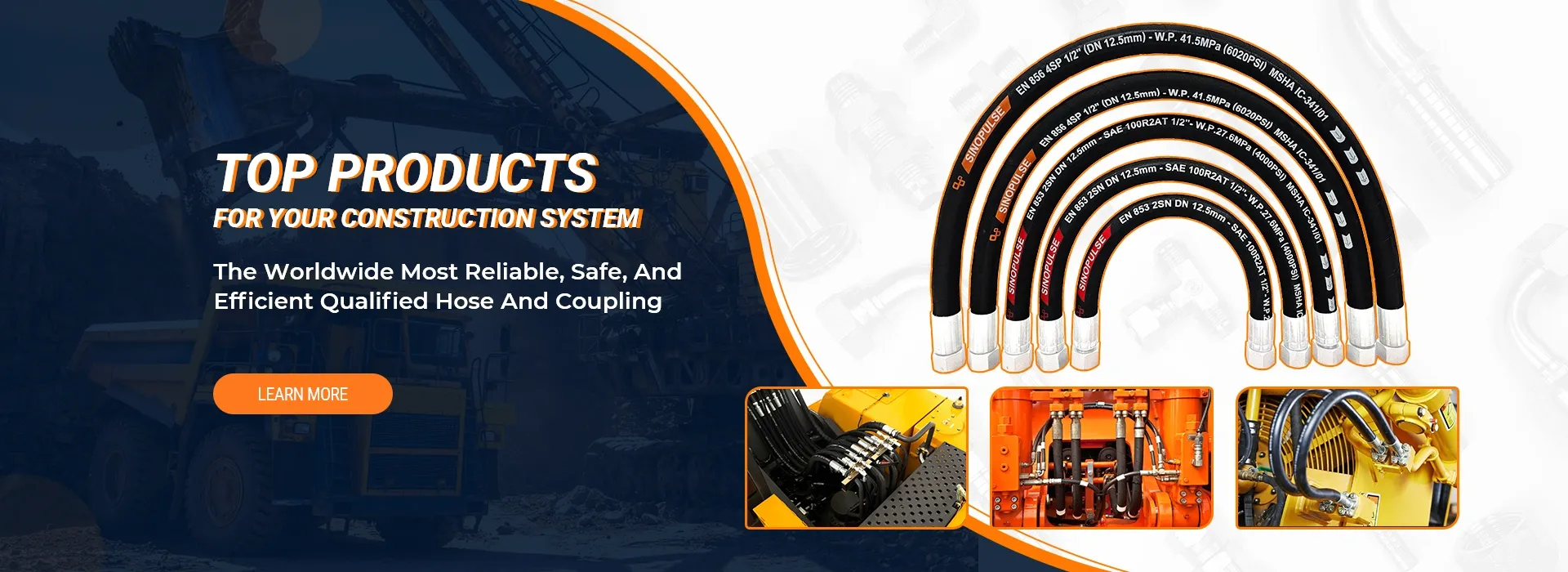
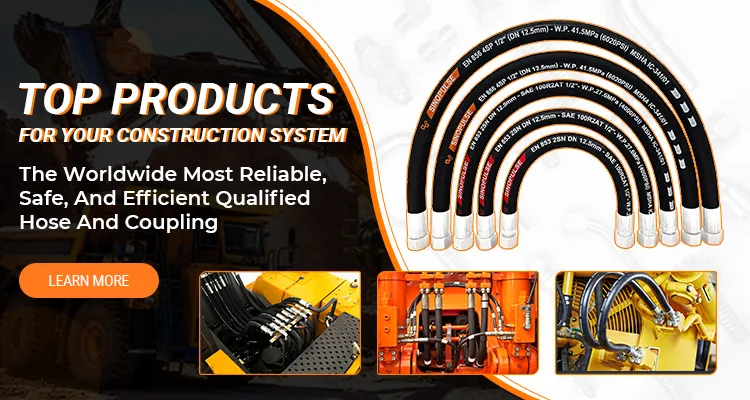
At Sinopulse, we are dedicated to enhancing industrial performance through innovative technology and exceptional customer service. Founded in 2011, Sinopulse began as a small startup with a big dream. Over the past decade, we have grown into a leading industrial hose, hydraulic hose & fittings manufacturer boasting a 45,000 m² workshop, 86 production lines, and a dedicated team of over 200 employees. Our commitment to quality and efficiency enables us to produce an impressive 100,000 meters of hose daily, offering the worldwide most reliable, safe, and most efficient qualified hose and coupling.


×
-
 45,000 m²Factory Area
 -
 86 +Production Line
 -
 200 +Employee
 -
 400,000 +Capacity
WHY CHOOSE US
-
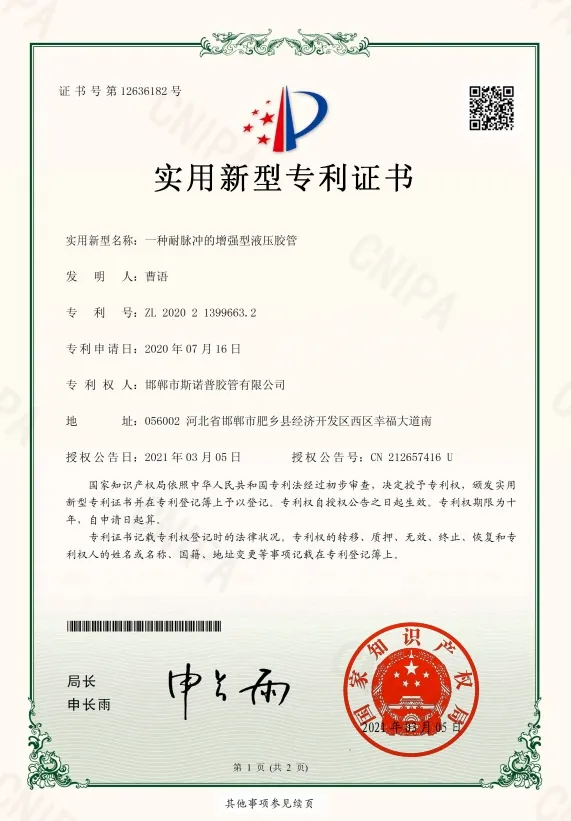
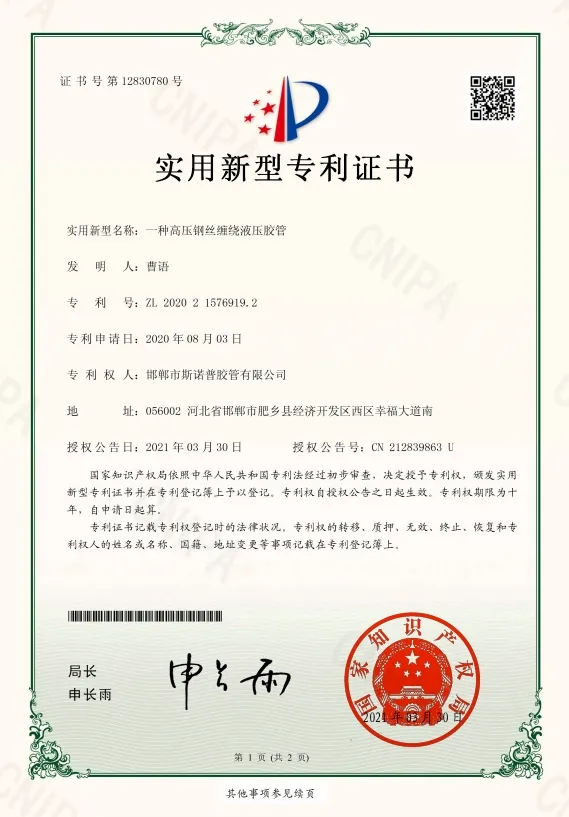
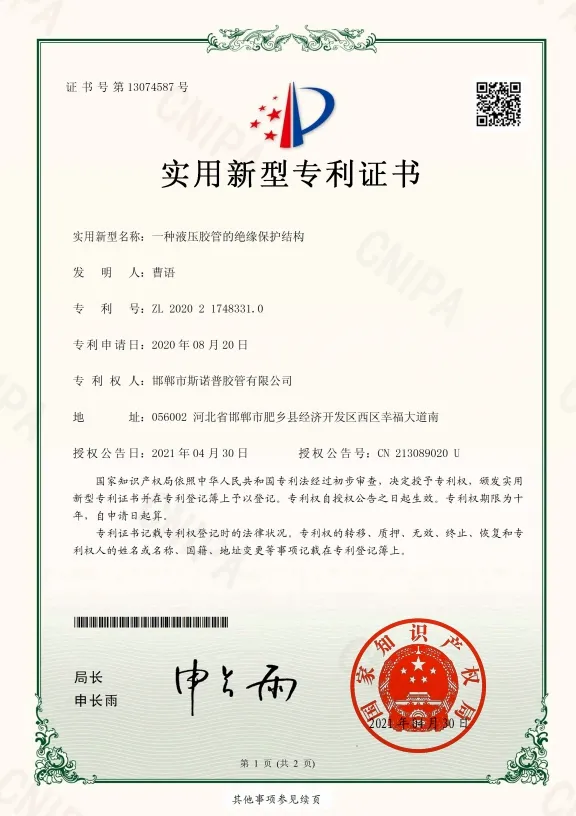
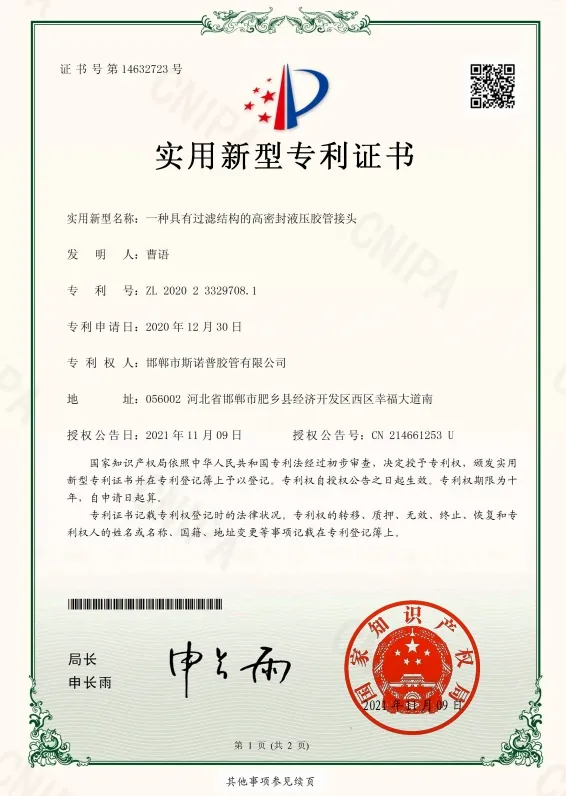
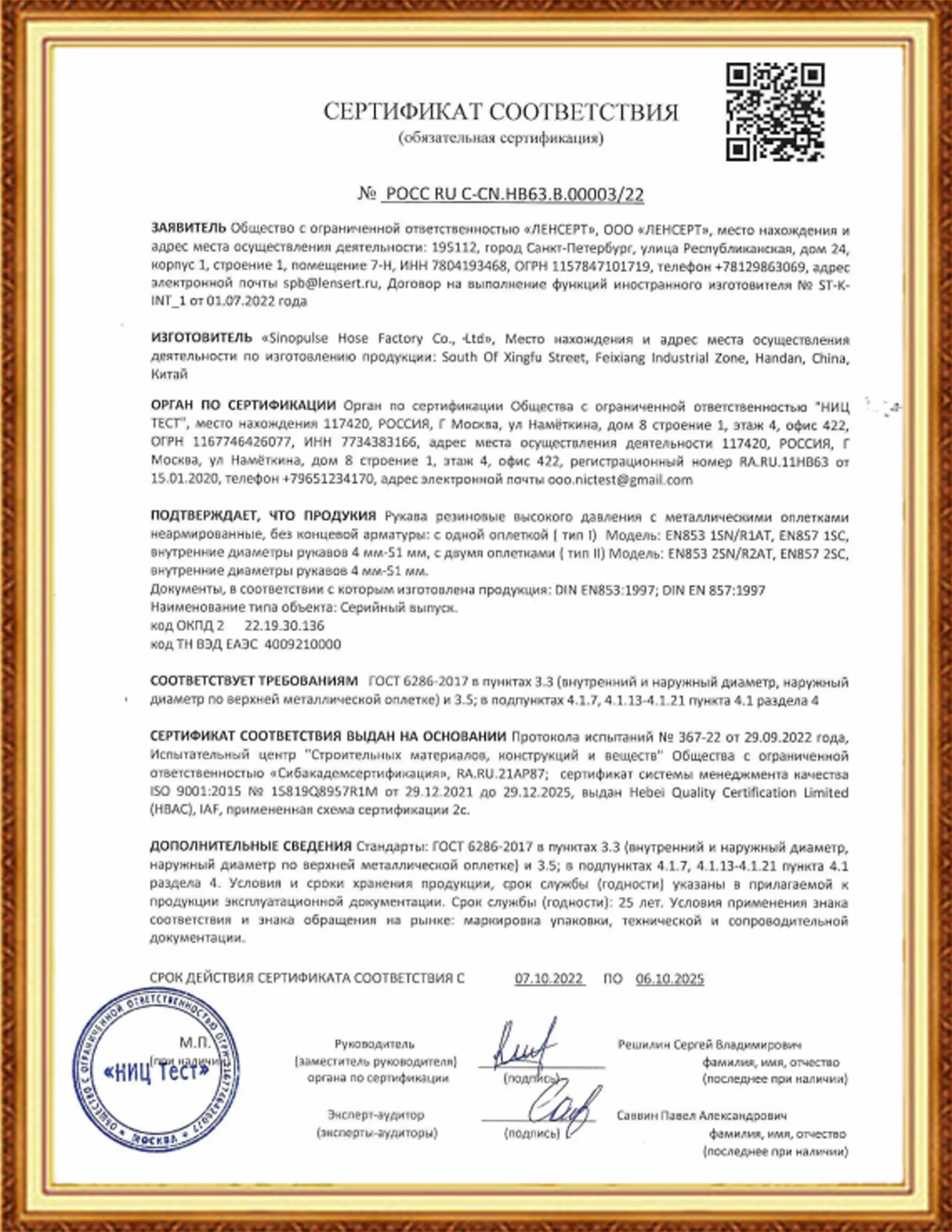
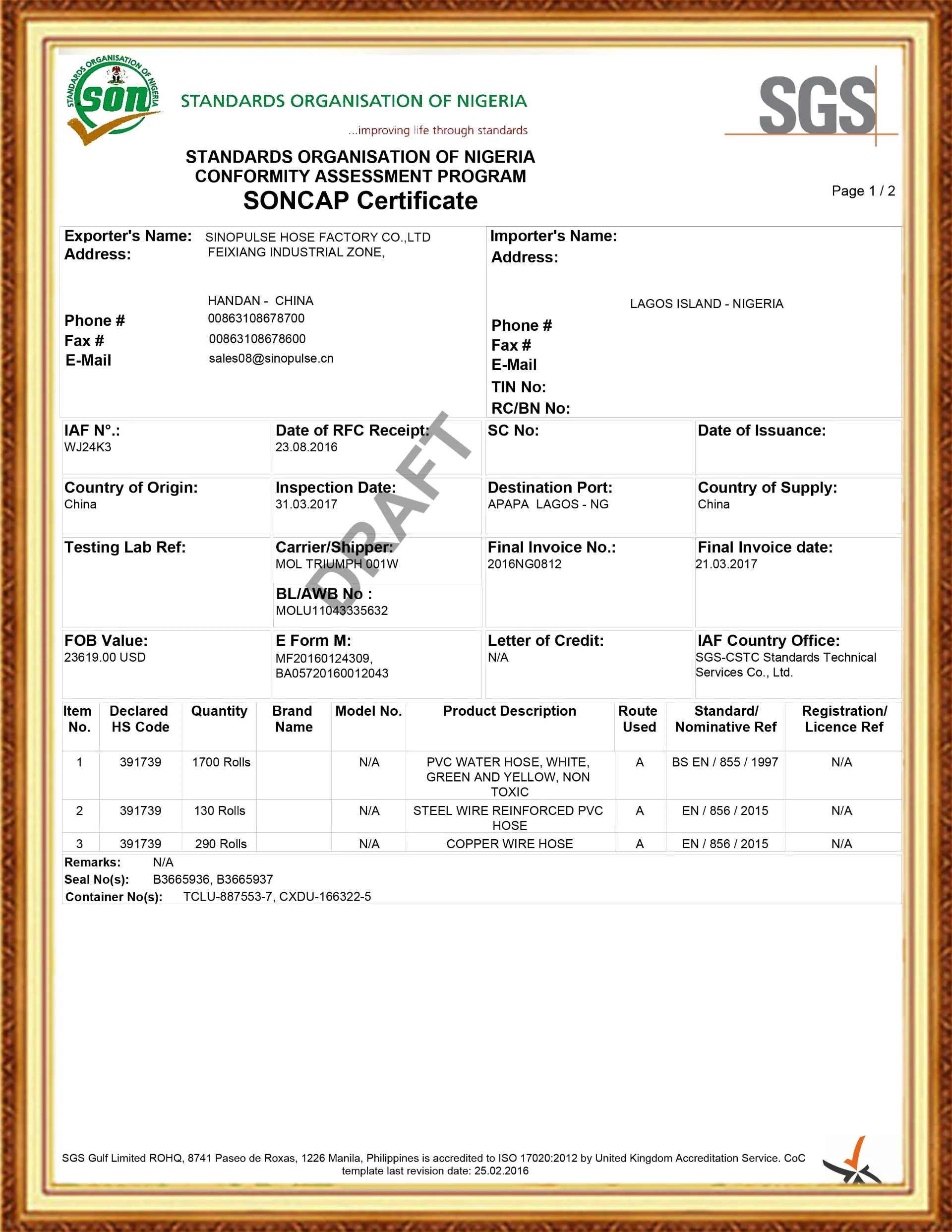
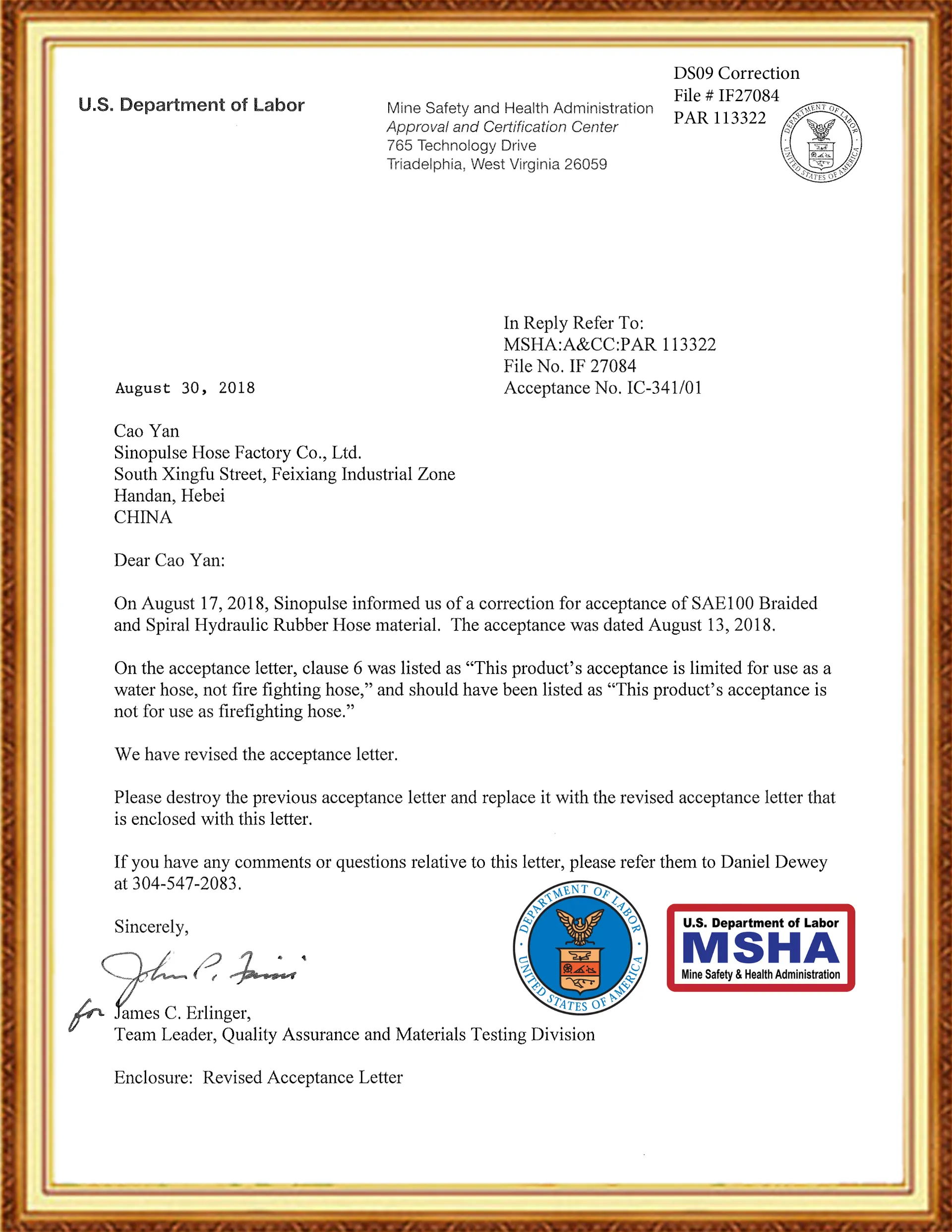
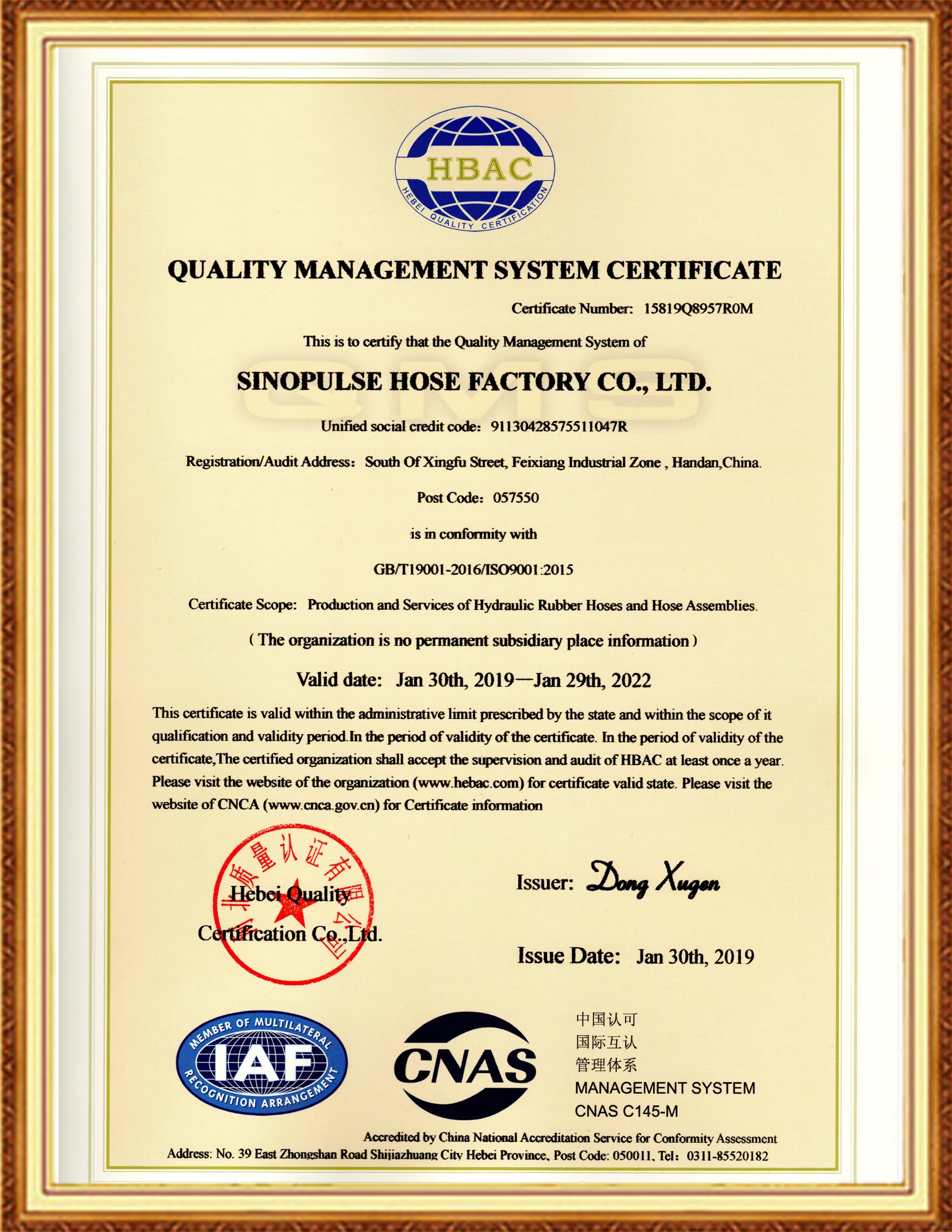
When it comes to choosing a reliable and trustworthy partner for your business needs, certification is a crucial factor to consider. At our company, we take pride in our commitment to meeting the highest standards of quality and safety, as evidenced by our certifications including ISO, MSHA, GOST, SGS, FDA ....More>>

-
One of the key strengths of SINOPULSE’s R&D capabilities is its ability to design hoses for a wide range of conveyor fluids. Whether it’s hydraulic oil, water, air, or specialized chemicals, the company has the expertise to develop hoses that are compatible with the specific fluid’s properties. This versatility allows SINOPULSE to cater to diverse industries such as construction, mining, agriculture, and manufacturing, where different fluids are used for various applications.More>>

-
SINOPULSE QUALITY CONTROL system is a comprehensive and advanced system that ensures the highest standards of quality in manufacturing processes. Quality control is a critical aspect of any manufacturing operation, and the SINOPULSE system is designed to provide a robust framework for monitoring and maintaining quality throughout the production process.More>>

-
SINOPULSE’s gold medal service in foreign trade, coupled with its emphasis on team service and product excellence, positions the company as a leader in the industry. With a focus on delivering tailored solutions and exceptional customer support, SINOPULSE continues to set the standard for excellence in international trade services.More>>

-
 20 YearsExperience
 -
 120 +Exported Countries
 -
 200 +Clients
 -
 30 Million USDAnnul Sales
OUR PROJECT
Our rubber hose products have good performance advantages, such as pressure flexibility, strength, weather resistance, no deformation, and good pulse testing.
-
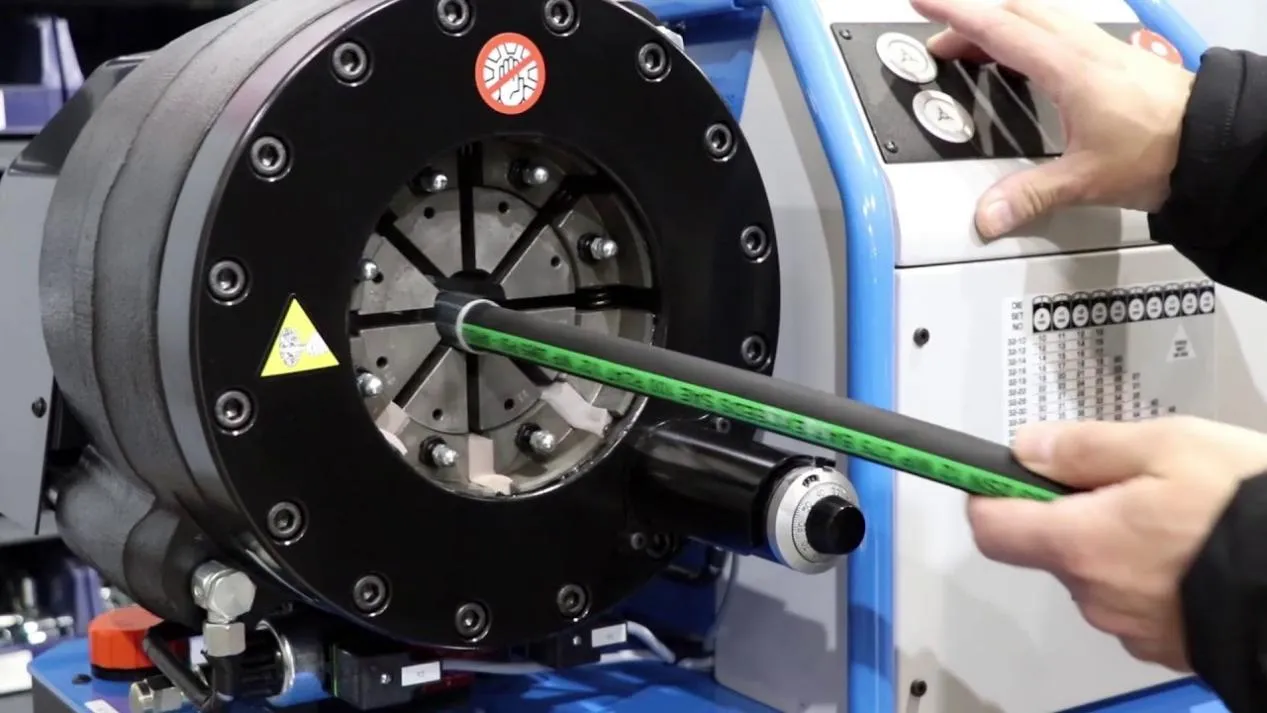 high pressure rubber tubingThe Indispensable Role of High Pressure Rubber Hoses in Modern Industry In the demanding landscape of industrial operations, the integrity and performance of every component are paramount. Among these, the high pressure rubber hose stands out as a critical element, essential for the safe and efficient transfer of various media under extreme conditions. From corrosive chemicals and abrasive slurrie...
 -
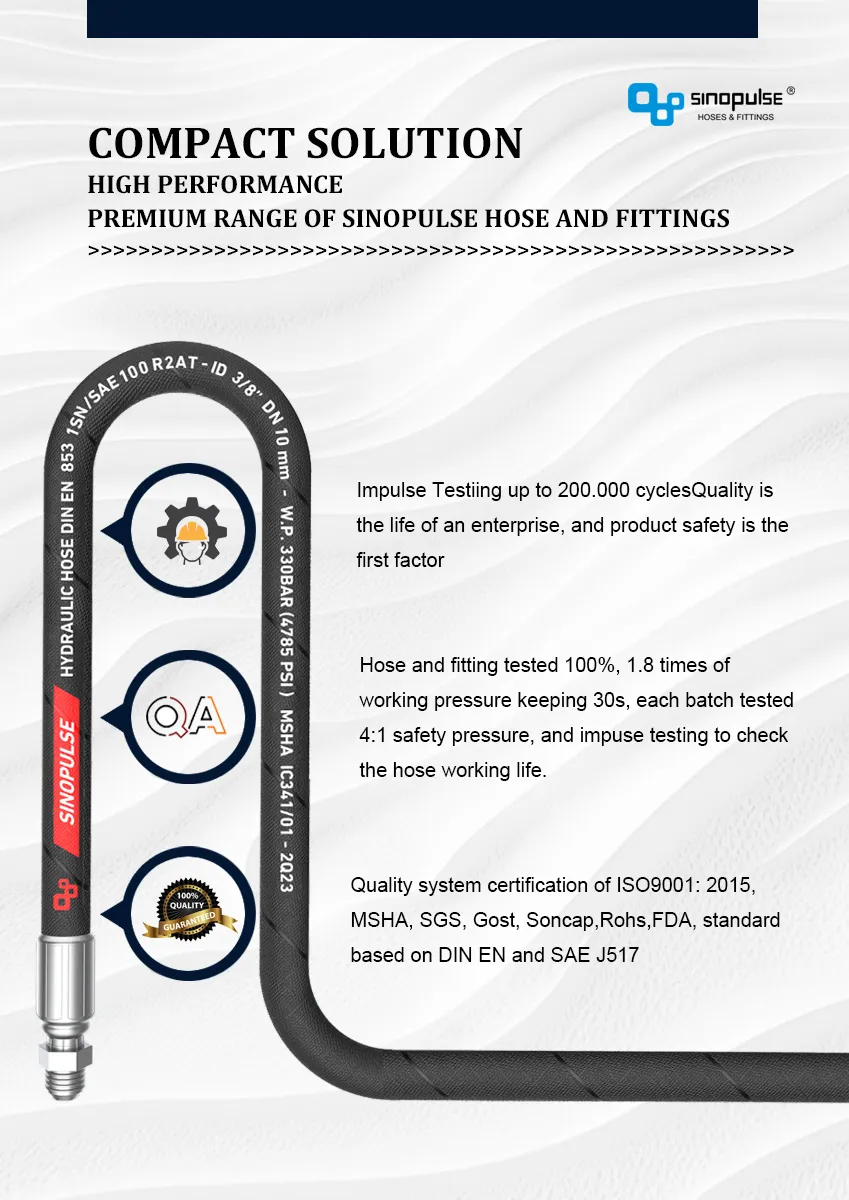 manual hose crimping machineAdvancements and Applications in Hydraulic Hose Crimping Technology The hydraulic hose crimper stands as a cornerstone technology in fluid power systems across a multitude of heavy industries. Essential for fabricating and repairing hydraulic hoses, these machines ensure the integrity and reliability of high-pressure fluid transfer. The demand for robust, precise, and efficient crimping solutions ...
 -
 heavy duty hydraulic hoseIn the intricate ecosystem of industrial machinery, high pressure hydraulic hoses function as the vital arteries, channeling power and fluid with precision across towering construction equipment, deep-sea drilling rigs, and advanced manufacturing lines. These unassuming yet indispensable components endure a symphony of pressures, temperatures, and mechanical stresses—yet even the sturdiest industr...
 -
 air hose crimperhydraulic hose crimper,air hose crimper,ac hose crimper,hydraulic ac hose crimper is a key solution in the manufacturing industry, specifically within General equipment manufacturing industry and Manufacturing of metal processing machinery. This article explores how HEBEI SINOPULSE TECH GROUP CO.,LTD. supports professionals with durable, high-performance products, and explains why this product is ...
OUR LATEST NEWS
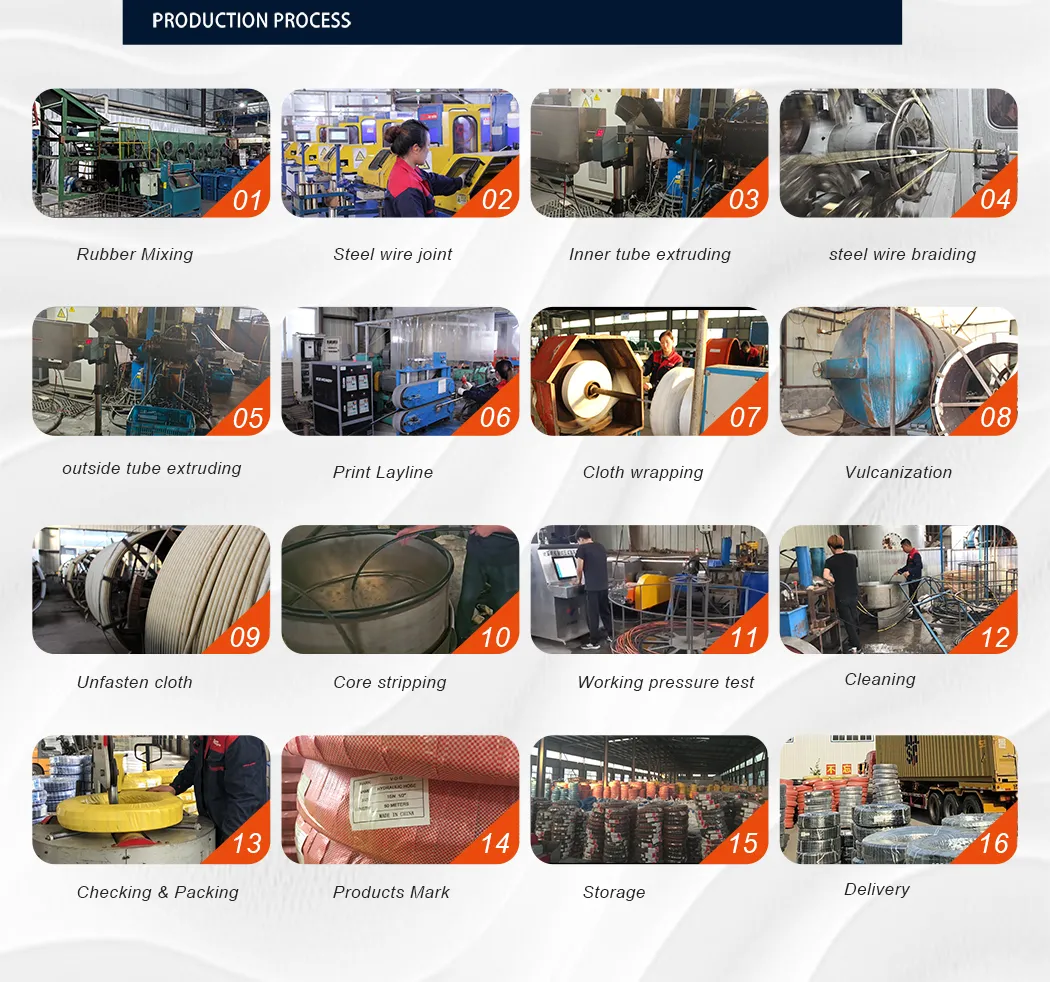
Strict quality control strict production team to ensure stable products quality. Scientific personnel management, efficient production arrangements to ensure our timely delivery.
HOW TO FIND US
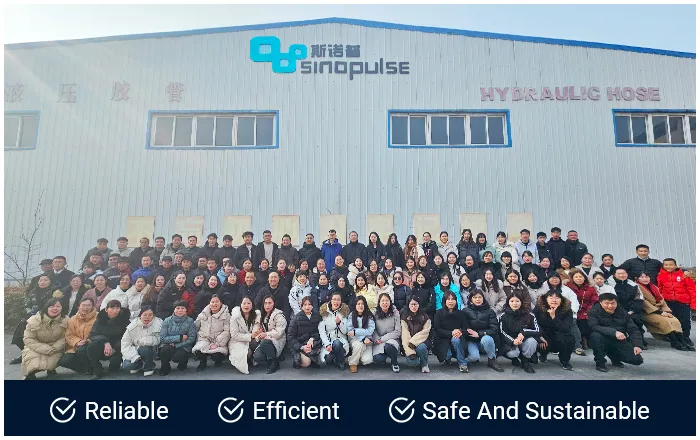
We welcome customers from all over the world visit our hydraulic hose factory and make fruitful cooperation. If you need hoses, contact with us without hesitation. We will give you professional service,qualified goods and best prices!
HOW CAN WE HELP ?
Have questions or need help? Use the form to reach out and we will be in touch with you
as quickly as possible.